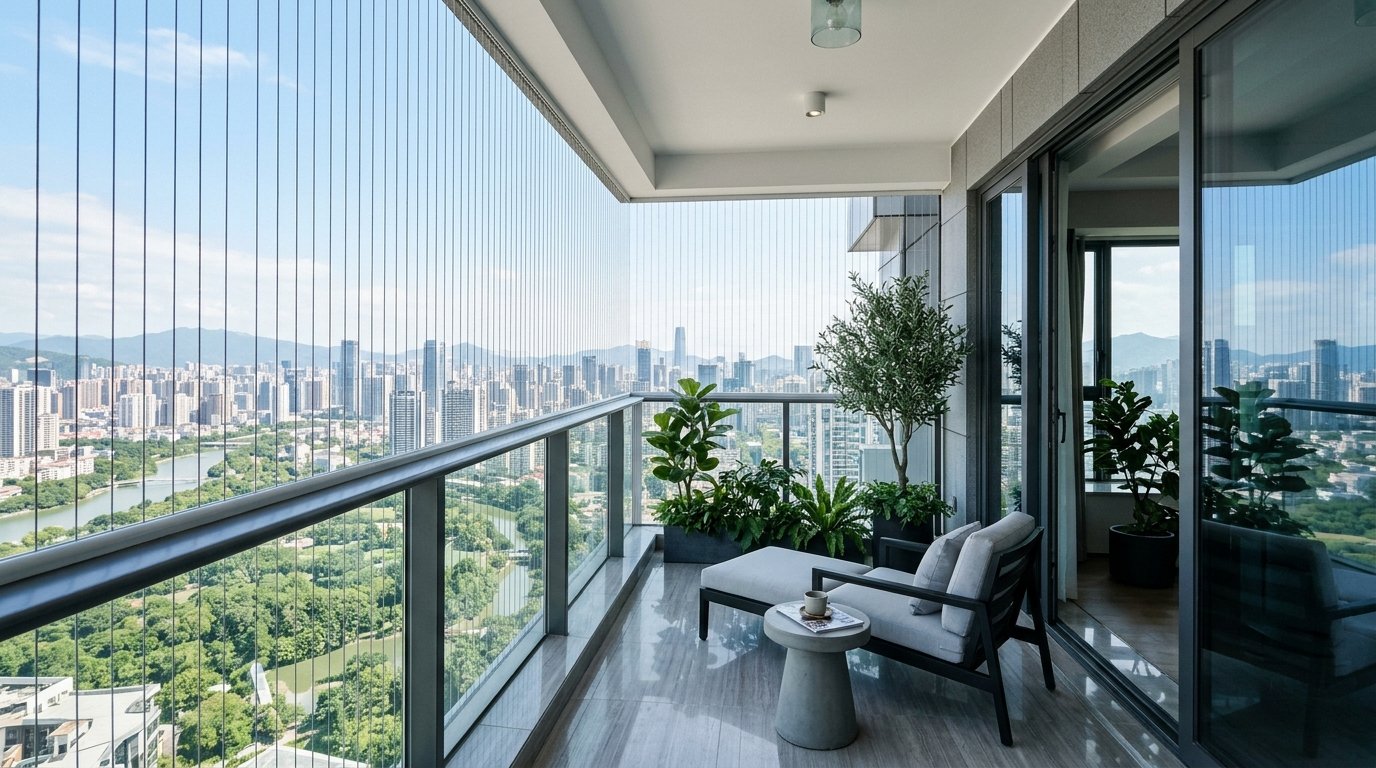
Prevent Property Damage & Head Injuries from Falling Coconuts
Coconut Tree Safety Nets
Durable catchment nets catching falling coconuts and protecting cars and pedestrians below.
Free on-site measurement and quotation across Chennai

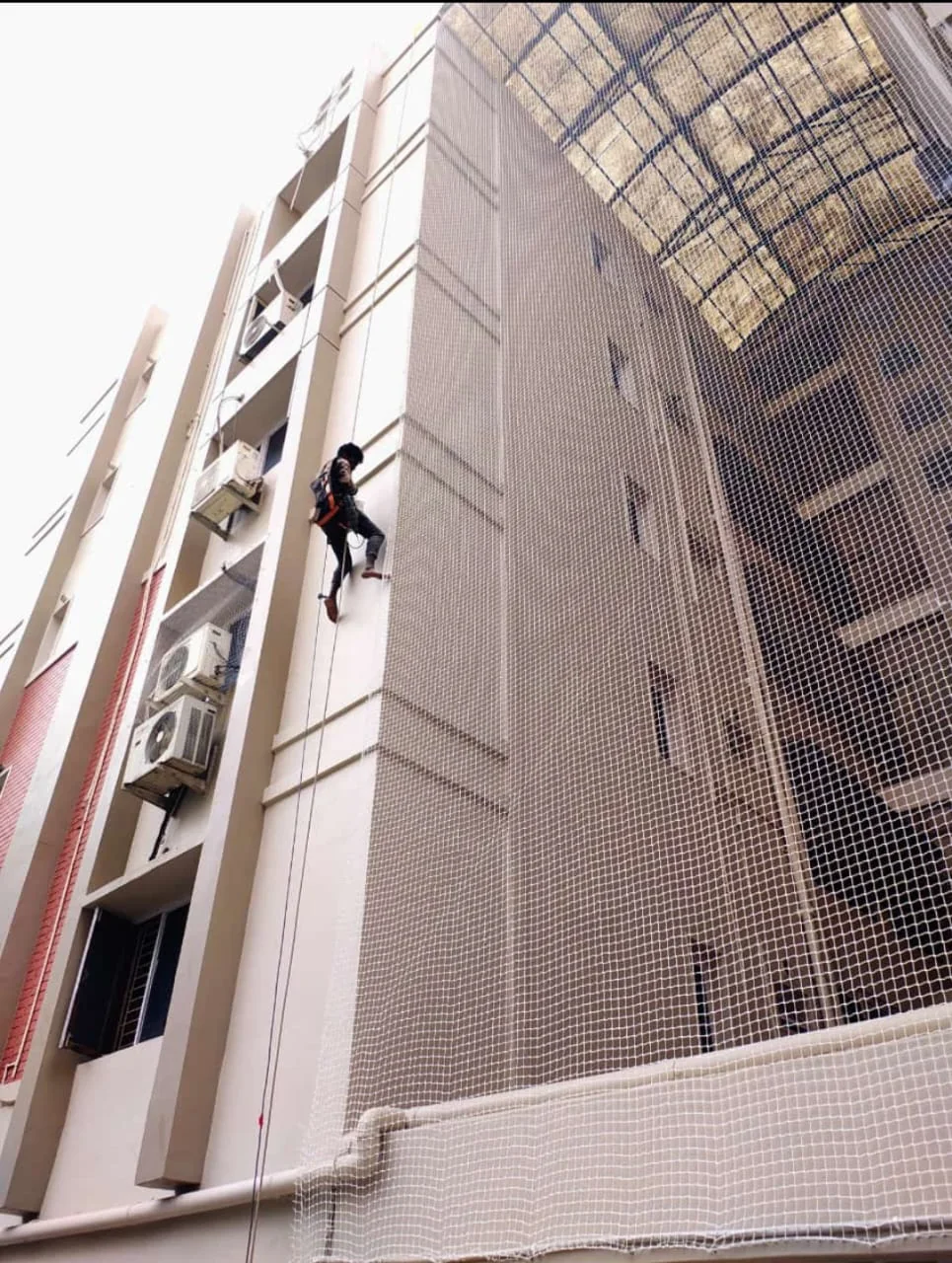
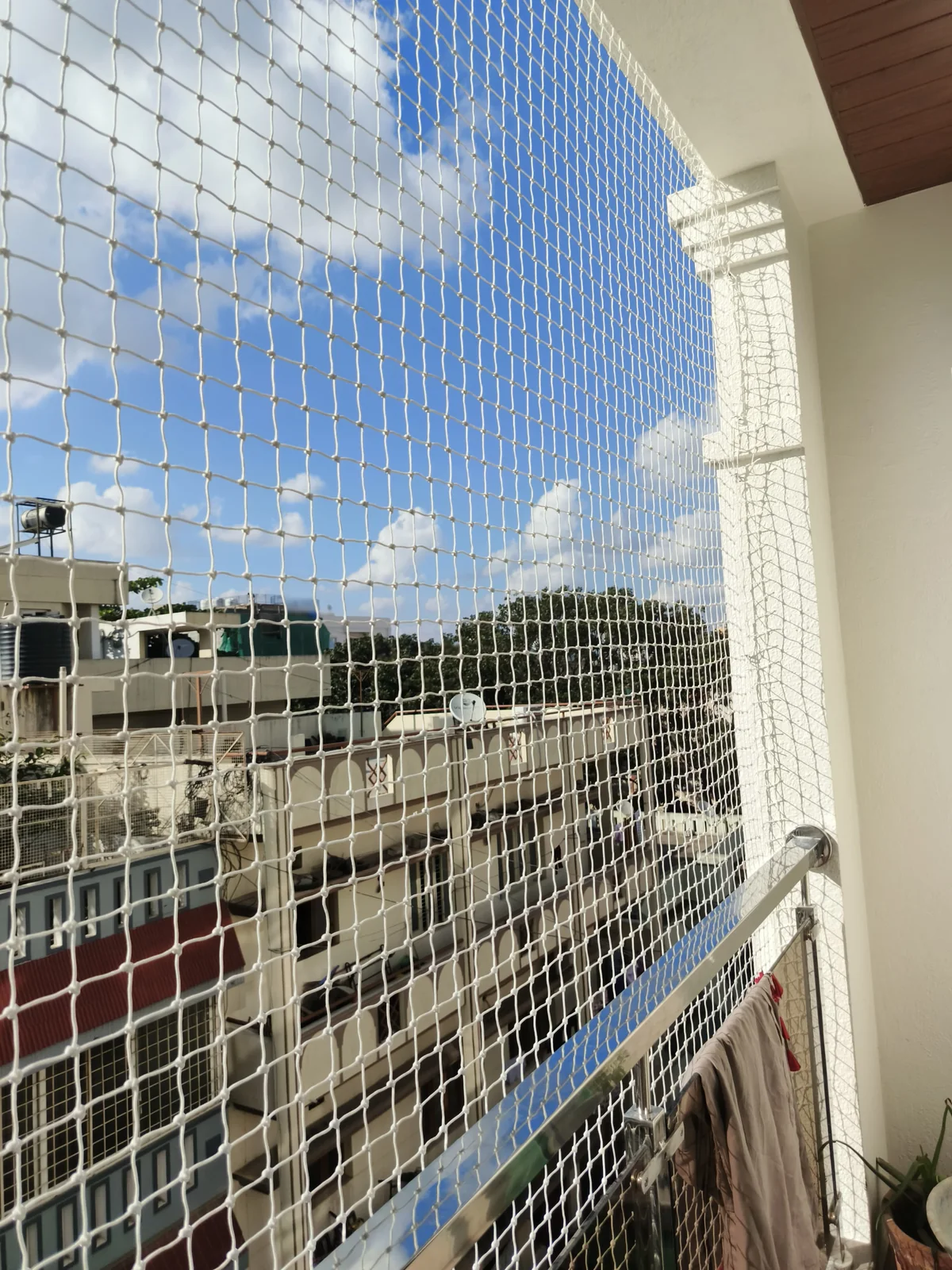


Service Overview
Coconut Tree Safety Nets for Chennai Homes & Properties
Coconut palms are common across residential compounds, schools, and resorts in Chennai. Falling coconuts and dry fronds can cause severe head injuries, dent parked vehicles, and crack windshields. Marker Enterprises installs specially shaped catchment nets suspended under the tree crown to safely catch falling nuts.
AISI 316 marine grade
Free laser measurement
4–6 hour installation
RWA-friendly installation
Book Free Site Inspection
Our Chennai team visits your property with wire samples and takes laser measurements.
Features of Coconut Tree Safety Nets
- High-impact mesh designed to absorb kinetic energy of falling mature coconuts
- Funnel or canopy shape directing caught nuts safely toward the trunk
- Weather-resistant UV-treated netting built for outdoor sunlight and rain
- Non-invasive mounting that does not damage the living coconut palm
Benefits of Coconut Tree Safety Nets in Chennai
Eliminates the danger of unexpected coconut drops without needing to cut down trees
Easy periodic clearing of collected nuts
Our 4-Step Installation Process
-
01
Tree height and crown inspection
-
02
Crown ring bracket fitting
-
03
Net suspension and angle alignment
-
04
Drop test
Where Coconut Tree Safety Nets Works and What to Specify
Choose a system around the actual opening, intended use, fixing surface and exposure at your property. The examples below help prepare for a measured site assessment.
Common applications
- Residential villa gardens in ECR and Adyar
- Apartment parking lots
- Schools, colleges, and resort lawns
Materials and components to review
- Heavy-duty virgin HDPE netting
- Weatherproof nylon support ropes
- Tree-safe padded ring brackets
Plan the specification around the site
For coconut tree safety nets, the right specification begins with the job the installation must perform. Consider the full opening or perimeter, how the area is used day to day, and whether children, pets, residents, staff or visitors will use it. Relevant applications include Residential villa gardens in ECR and Adyar; Apartment parking lots; Schools, colleges, and resort lawns. These details help the installer identify the appropriate layout and avoid selecting a system by appearance alone.
Materials should be reviewed as a complete assembly rather than as a single product label. The options used for this service include Heavy-duty virgin HDPE netting; Weatherproof nylon support ropes; Tree-safe padded ring brackets. Confirm the material grade or net type, supporting profile or fixing hardware, finish, and compatibility with the existing wall, frame or structure. Where a property faces coastal air, rain or strong sun, discuss exposure and maintenance expectations during the survey instead of assuming every finish performs identically.
Measurements are only one part of a reliable estimate. The team should inspect the fixing surface, corners, access, obstructions and any unusual shapes; clarify the required coverage; and record the selected materials and scope. For an apartment or shared building, check whether the owners' association requires a particular colour, fixing method, work time or approval. A written scope makes it easier to compare quotations on the same basis.
A typical project discussion covers Tree height and crown inspection; Crown ring bracket fitting; Net suspension and angle alignment. Ask what preparation is expected from the property owner, how the work area will be accessed, and what final checks will be completed. Installation timing depends on measured area, layout, access and site conditions, so confirm the schedule after inspection rather than relying on a generic duration.
Marker Enterprises arranges site assessments across Chennai, including Adyar, Besant Nagar, Thiruvanmiyur, Velachery, Madipakkam, Medavakkam, Pallikaranai, Perungudi, Thoraipakkam, Sholinganallur, T. Nagar, Nungambakkam, Anna Nagar, Porur, Tambaram, Chromepet, OMR, ECR, Vadapalani, Ambattur, Kolathur, Perambur, Pallavaram, Ashok Nagar, Mogappair, Nanganallur, Keelkattalai, Perumbakkam, Sithalapakkam, Kotturpuram, Egmore, Thousand Lights, Chetpet, Kilpauk, Royapettah, Triplicane, Chintadripet, Anna Salai, Mylapore, Alwarpet, Mandaveli, Raja Annamalaipuram, MRC Nagar, Valasaravakkam, Virugambakkam, Koyambedu, Avadi, Poonamallee, Ramapuram, Manapakkam, Iyyappanthangal, Thirumullaivoyal, Padi, Nolambur, Saligramam, K. K. Nagar, Nerkundram, Madhavaram, Tiruvottiyur, Manali, Tondiarpet, Royapuram, Washermanpet, Vyasarpadi, Puzhal, Periyar Nagar, Kodungaiyur, Korukkupet, Ennore, Red Hills, Madhavaram Milk Colony, Minjur, Kandanchavadi, Karapakkam, Navalur, Siruseri, Kelambakkam, Neelankarai, Palavakkam, Injambakkam, Akkarai, Uthandi, Padur, Semmenchery, Kanathur, Muttukadu, Egattur, Thazhambur, Pammal, Anakaputhur, Selaiyur, Perungalathur, Vandalur, Guduvanchery, Maraimalai Nagar, Sembakkam, Chitlapakkam, Hasthinapuram, Irumbuliyur, Peerkankaranai, Mudichur, Mannivakkam and surrounding neighborhoods. Share your locality, a short description of the requirement and available site photographs when requesting an appointment. The visit can establish practical options for your property and provide a quotation based on the inspected work.
Before approving work, make sure the estimate explains the coverage, materials, fixing approach, exclusions and any care guidance. After installation, keep access points clear and follow the product-specific inspection or cleaning instructions provided by the installer. If you are planning more than one improvement, mention every area during the same enquiry so the survey can record related requirements without treating different systems as interchangeable.
What a careful site assessment should cover
Ask the installer to review the complete boundary or opening, not just one convenient measurement. Corners, returns, uneven reveals, nearby pipes, shutters and existing fixtures can change how a system is laid out. The fixing substrate must also be checked: the proposed anchors and profiles need to suit the actual surface and the loads expected for the intended application. If any part of the structure is damaged, loose or unfinished, resolve that condition before installation is scheduled.
For a home project, describe who uses the space and what needs to remain accessible. A balcony used by children or pets, a window that must open for ventilation, a shared duct that needs periodic access, and a sports enclosure all have different priorities. Confirm any desired spacing, visibility, ventilation, access or containment requirements during the survey. The final specification should explain what the installation is intended to do and where its limits are; it should not be treated as a replacement for supervision, building maintenance or other required safety measures.
Compare scope and arrange the work
When comparing estimates for coconut tree safety nets, check that each one covers the same measured area and names the same materials, profile or mesh, hardware, finish and installation tasks. Project cost can depend on dimensions, shape, number of openings, material selection, working height, access and preparation required. Ask for those factors to be explained rather than comparing only a headline rate. Record whether removal of old fixtures, civil repairs, special access equipment or association permissions are included or outside the stated scope.
Before the appointment, clear loose objects from the work zone and arrange access to the relevant rooms, balcony or common area. Tell the team about fragile finishes, concealed services, restricted hours and other contractors working on site. At handover, review the completed coverage, ask which parts need routine inspection, and keep the written product or care information with your property records. Any warranty, maintenance interval or performance commitment should be confirmed in the quotation or supplied product documentation for the specific installation.
In shared buildings, coordination is part of the project plan. Confirm who can authorize work on a common facade or service area, whether neighbors or facility staff need advance notice, and how materials will be moved to the work location. For occupied homes, agree which rooms need access and how furniture or personal belongings should be protected. A clear appointment plan reduces avoidable delays and helps the installer complete the agreed work with fewer interruptions.
Keep the final scope and product details after completion, including any care instructions supplied for the installed materials. If you later add another opening or change how the space is used, request a fresh assessment rather than altering cables, nets or fittings yourself. The suitability of an existing installation depends on its original specification and current site condition. Periodic visual checks and prompt attention to loose, damaged or obstructed parts are sensible maintenance steps; follow the product-specific guidance provided at handover.
It is also helpful to decide which outcomes matter most before selecting a configuration. Some properties prioritize appearance and an open view; others need defined spacing, access, airflow, containment or a robust boundary for regular use. These requirements can influence the position of the installation, the supporting components and the way a work area is finished. Explain any non-negotiable requirements early, and ask the surveyor to note them in the estimate so that the agreed design can be checked against the intended use.
For larger or multi-opening projects, ask for each area to be identified separately in the scope. A room-by-room or zone-by-zone list makes it clear which windows, balconies, structures or shared spaces are included and helps plan phased work if access is limited. It also gives the property owner a practical reference for arranging permissions and reviewing completion. Keep photographs of the finished work with the written material and care details, particularly when a building manager or association will need project records.
Use the site assessment to resolve practical questions before work begins: where technicians can stage tools, whether ladders or other access arrangements are needed, which surfaces must remain undamaged, and how the work area will be kept clear. In a multi-storey building, confirm visitor entry and lift or service access with the facility team. If weather or another contractor could affect the schedule, agree how a revised appointment will be handled. These details are especially useful when the project covers several residents or shared areas.
Finally, review the proposed result against the purpose of the installation, rather than relying only on a photograph or product name. Ask the installer to explain the chosen layout and any limitations that follow from the opening, substrate or surrounding structure. A clear conversation at survey stage supports a realistic quote, a better coordinated installation and a useful handover for whoever maintains the property.
Coconut Tree Safety Nets in Chennai Areas & Suburbs
Explore coconut tree safety nets service information for each listed Chennai neighborhood. Every link opens the local page at the matching service section; final availability, measurements and installation scope are confirmed for the property during assessment.
South Chennai
- Coconut Tree Safety Nets in Adyar
- Coconut Tree Safety Nets in Besant Nagar
- Coconut Tree Safety Nets in Thiruvanmiyur
- Coconut Tree Safety Nets in Velachery
- Coconut Tree Safety Nets in Madipakkam
- Coconut Tree Safety Nets in Medavakkam
- Coconut Tree Safety Nets in Pallikaranai
- Coconut Tree Safety Nets in Perungudi
- Coconut Tree Safety Nets in Thoraipakkam
- Coconut Tree Safety Nets in Sholinganallur
- Coconut Tree Safety Nets in Nanganallur
- Coconut Tree Safety Nets in Keelkattalai
- Coconut Tree Safety Nets in Perumbakkam
- Coconut Tree Safety Nets in Sithalapakkam
- Coconut Tree Safety Nets in Kotturpuram
Central Chennai
- Coconut Tree Safety Nets in T. Nagar
- Coconut Tree Safety Nets in Nungambakkam
- Coconut Tree Safety Nets in Egmore
- Coconut Tree Safety Nets in Thousand Lights
- Coconut Tree Safety Nets in Chetpet
- Coconut Tree Safety Nets in Kilpauk
- Coconut Tree Safety Nets in Royapettah
- Coconut Tree Safety Nets in Triplicane
- Coconut Tree Safety Nets in Chintadripet
- Coconut Tree Safety Nets in Anna Salai
- Coconut Tree Safety Nets in Mylapore
- Coconut Tree Safety Nets in Alwarpet
- Coconut Tree Safety Nets in Mandaveli
- Coconut Tree Safety Nets in Raja Annamalaipuram
- Coconut Tree Safety Nets in MRC Nagar
West Chennai
- Coconut Tree Safety Nets in Anna Nagar
- Coconut Tree Safety Nets in Porur
- Coconut Tree Safety Nets in Vadapalani
- Coconut Tree Safety Nets in Ambattur
- Coconut Tree Safety Nets in Mogappair
- Coconut Tree Safety Nets in Valasaravakkam
- Coconut Tree Safety Nets in Virugambakkam
- Coconut Tree Safety Nets in Koyambedu
- Coconut Tree Safety Nets in Avadi
- Coconut Tree Safety Nets in Poonamallee
- Coconut Tree Safety Nets in Ramapuram
- Coconut Tree Safety Nets in Manapakkam
- Coconut Tree Safety Nets in Iyyappanthangal
- Coconut Tree Safety Nets in Thirumullaivoyal
- Coconut Tree Safety Nets in Padi
- Coconut Tree Safety Nets in Nolambur
- Coconut Tree Safety Nets in Saligramam
- Coconut Tree Safety Nets in K. K. Nagar
- Coconut Tree Safety Nets in Nerkundram
Southern Suburbs
- Coconut Tree Safety Nets in Tambaram
- Coconut Tree Safety Nets in Chromepet
- Coconut Tree Safety Nets in Pallavaram
- Coconut Tree Safety Nets in Pammal
- Coconut Tree Safety Nets in Anakaputhur
- Coconut Tree Safety Nets in Selaiyur
- Coconut Tree Safety Nets in Perungalathur
- Coconut Tree Safety Nets in Vandalur
- Coconut Tree Safety Nets in Guduvanchery
- Coconut Tree Safety Nets in Maraimalai Nagar
- Coconut Tree Safety Nets in Sembakkam
- Coconut Tree Safety Nets in Chitlapakkam
- Coconut Tree Safety Nets in Hasthinapuram
- Coconut Tree Safety Nets in Irumbuliyur
- Coconut Tree Safety Nets in Peerkankaranai
- Coconut Tree Safety Nets in Mudichur
- Coconut Tree Safety Nets in Mannivakkam
OMR and ECR
- Coconut Tree Safety Nets in OMR
- Coconut Tree Safety Nets in ECR
- Coconut Tree Safety Nets in Kandanchavadi
- Coconut Tree Safety Nets in Karapakkam
- Coconut Tree Safety Nets in Navalur
- Coconut Tree Safety Nets in Siruseri
- Coconut Tree Safety Nets in Kelambakkam
- Coconut Tree Safety Nets in Neelankarai
- Coconut Tree Safety Nets in Palavakkam
- Coconut Tree Safety Nets in Injambakkam
- Coconut Tree Safety Nets in Akkarai
- Coconut Tree Safety Nets in Uthandi
- Coconut Tree Safety Nets in Padur
- Coconut Tree Safety Nets in Semmenchery
- Coconut Tree Safety Nets in Kanathur
- Coconut Tree Safety Nets in Muttukadu
- Coconut Tree Safety Nets in Egattur
- Coconut Tree Safety Nets in Thazhambur
North Chennai
- Coconut Tree Safety Nets in Kolathur
- Coconut Tree Safety Nets in Perambur
- Coconut Tree Safety Nets in Madhavaram
- Coconut Tree Safety Nets in Tiruvottiyur
- Coconut Tree Safety Nets in Manali
- Coconut Tree Safety Nets in Tondiarpet
- Coconut Tree Safety Nets in Royapuram
- Coconut Tree Safety Nets in Washermanpet
- Coconut Tree Safety Nets in Vyasarpadi
- Coconut Tree Safety Nets in Puzhal
- Coconut Tree Safety Nets in Periyar Nagar
- Coconut Tree Safety Nets in Kodungaiyur
- Coconut Tree Safety Nets in Korukkupet
- Coconut Tree Safety Nets in Ennore
- Coconut Tree Safety Nets in Red Hills
- Coconut Tree Safety Nets in Madhavaram Milk Colony
- Coconut Tree Safety Nets in Minjur
Central-West Chennai


Common Questions About Coconut Tree Safety Nets
Does the net hurt the tree or prevent it from bearing fruit?
Not at all. The net is mounted around the trunk below the active frond level with padded attachments that allow normal growth and fruiting.
What should I check before choosing coconut tree safety nets?
Start with the opening or area to be protected, the people or activity the installation must accommodate, the condition of the fixing surface, and any building or association requirements. A site visit helps confirm measurements and suitable materials before a quote is prepared.
What information helps prepare a quote for coconut tree safety nets?
Share your Chennai locality, the number and approximate size of the openings or areas, intended use, and clear photographs if available. Final material quantities and installation details are confirmed after site measurement.
Can this service be planned with other safety work at my property?
Yes. A single inspection can record different openings or areas that need attention. Each installation is assessed separately so materials, fixing points, and the scope of work are clear in the estimate.
How do I arrange an inspection for coconut tree safety nets in Chennai?
Contact Marker Enterprises with your locality and a brief description of the project. The team can discuss the site visit, check access and fixing surfaces, review material options, and prepare an itemized quotation for your approval.
Explore Complementary Safety Installations
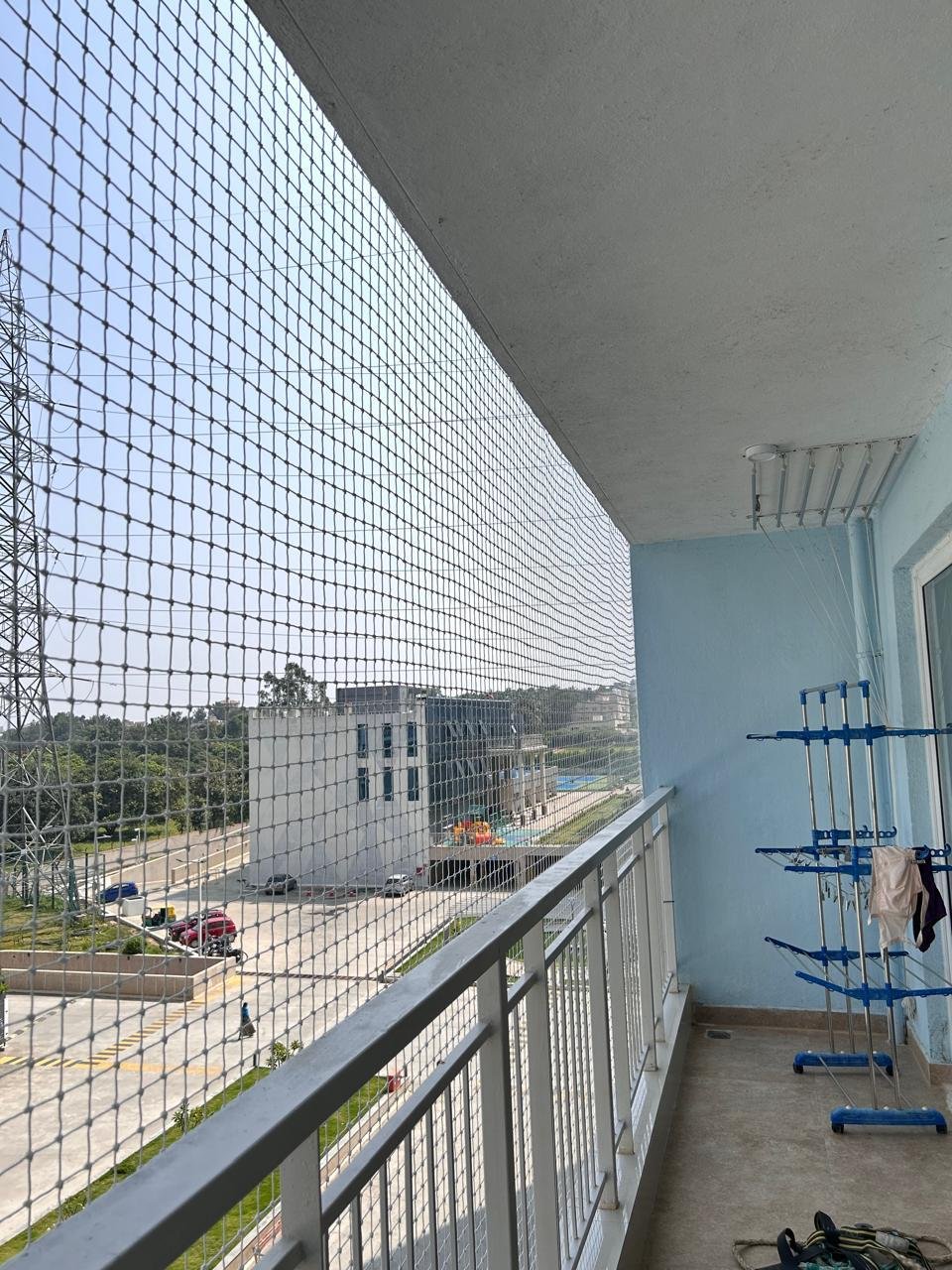
Balcony Safety Nets
Strong, UV-stabilized balcony safety nets for Chennai apartments, villas, and multi-storey residences.
Learn more →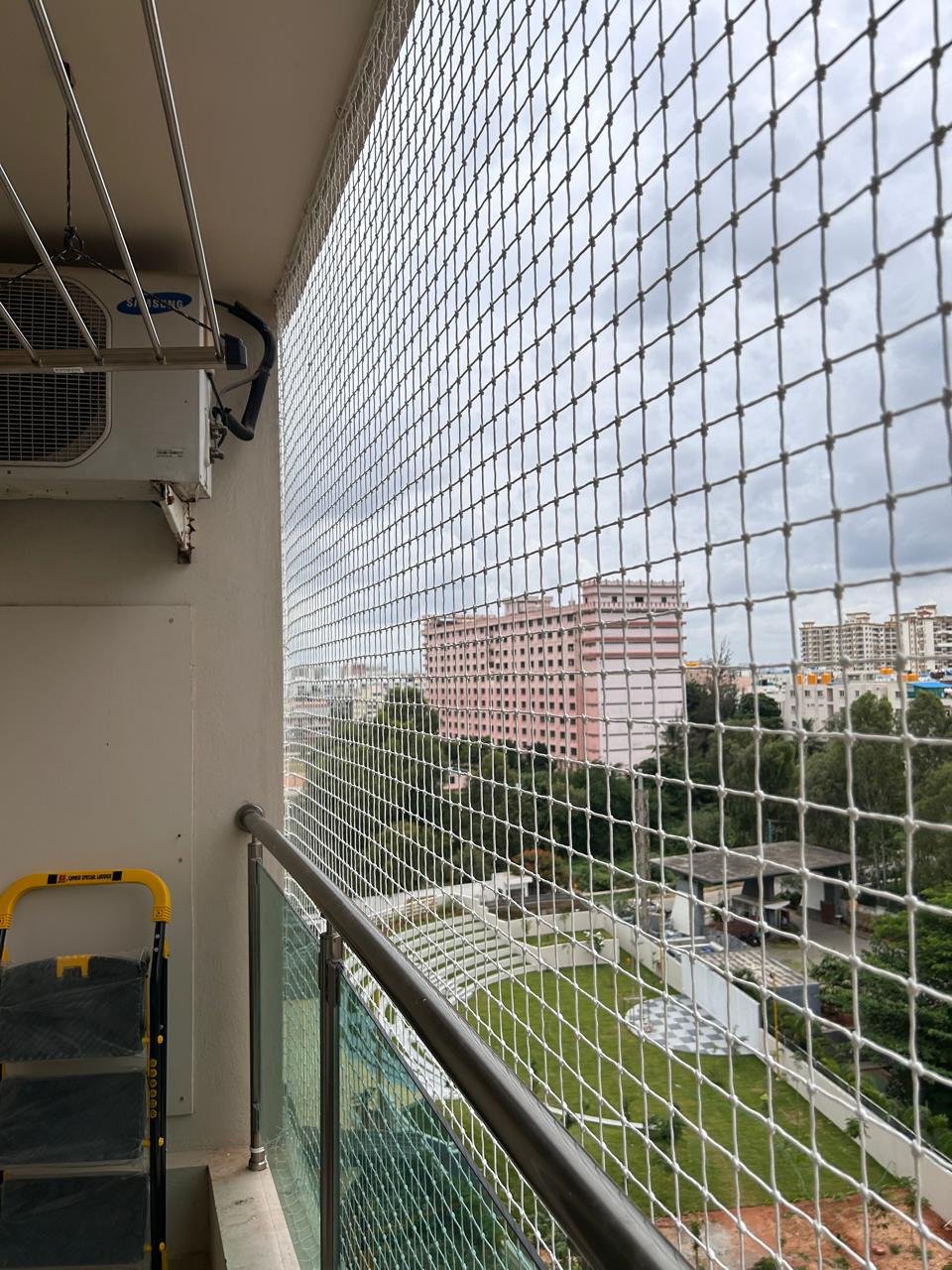
Terrace Safety Nets
Full perimeter protection for rooftop terraces, sit-outs, and open sky decks.
Learn more →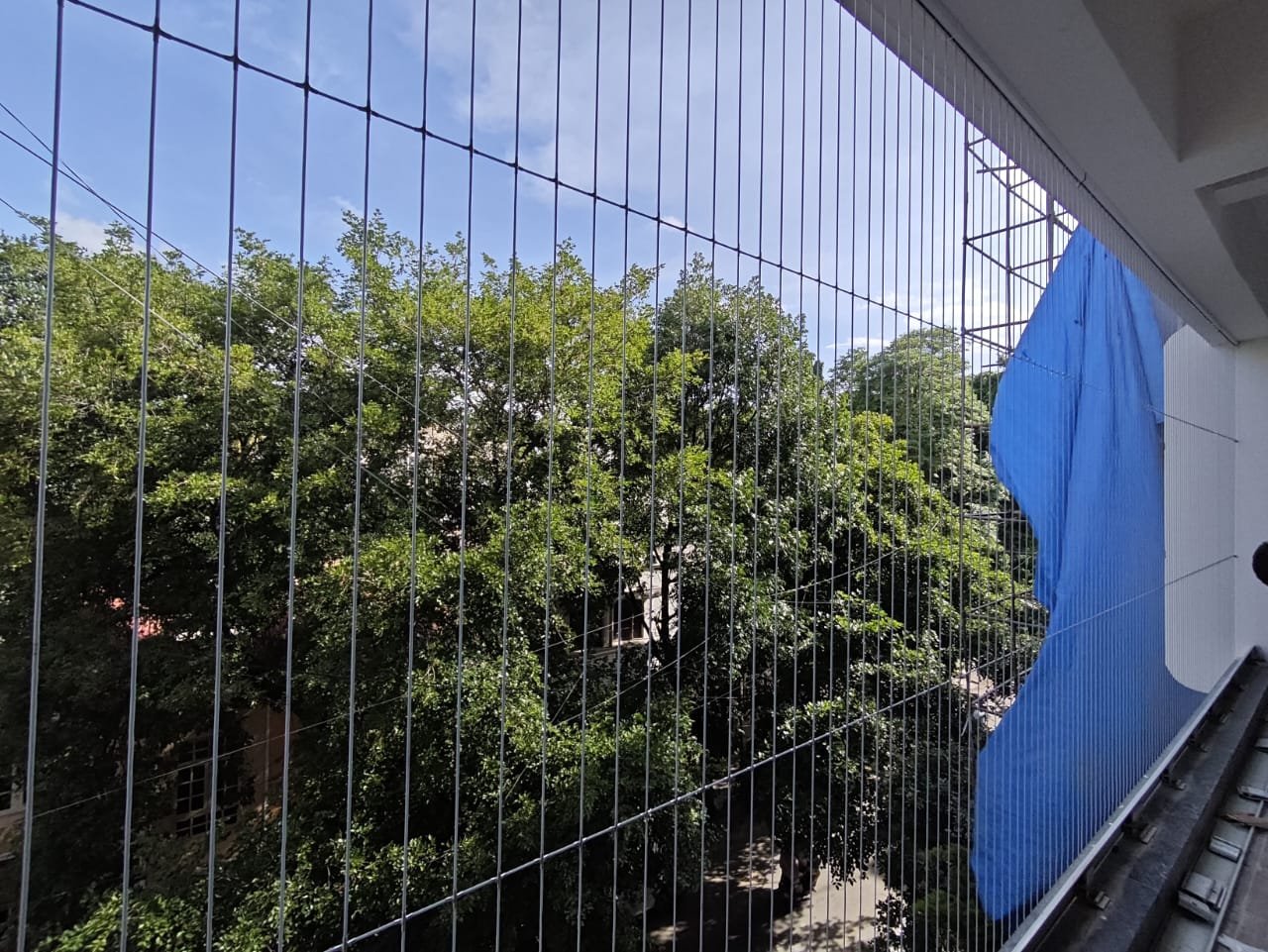
Villa Invisible Grills
Custom architectural safety grills for luxury independent villas, duplexes, and bungalows.
Learn more →
Bird Protection Nets
Humane, high-durability bird netting keeping balconies, courtyards, and terraces clean.
Learn more →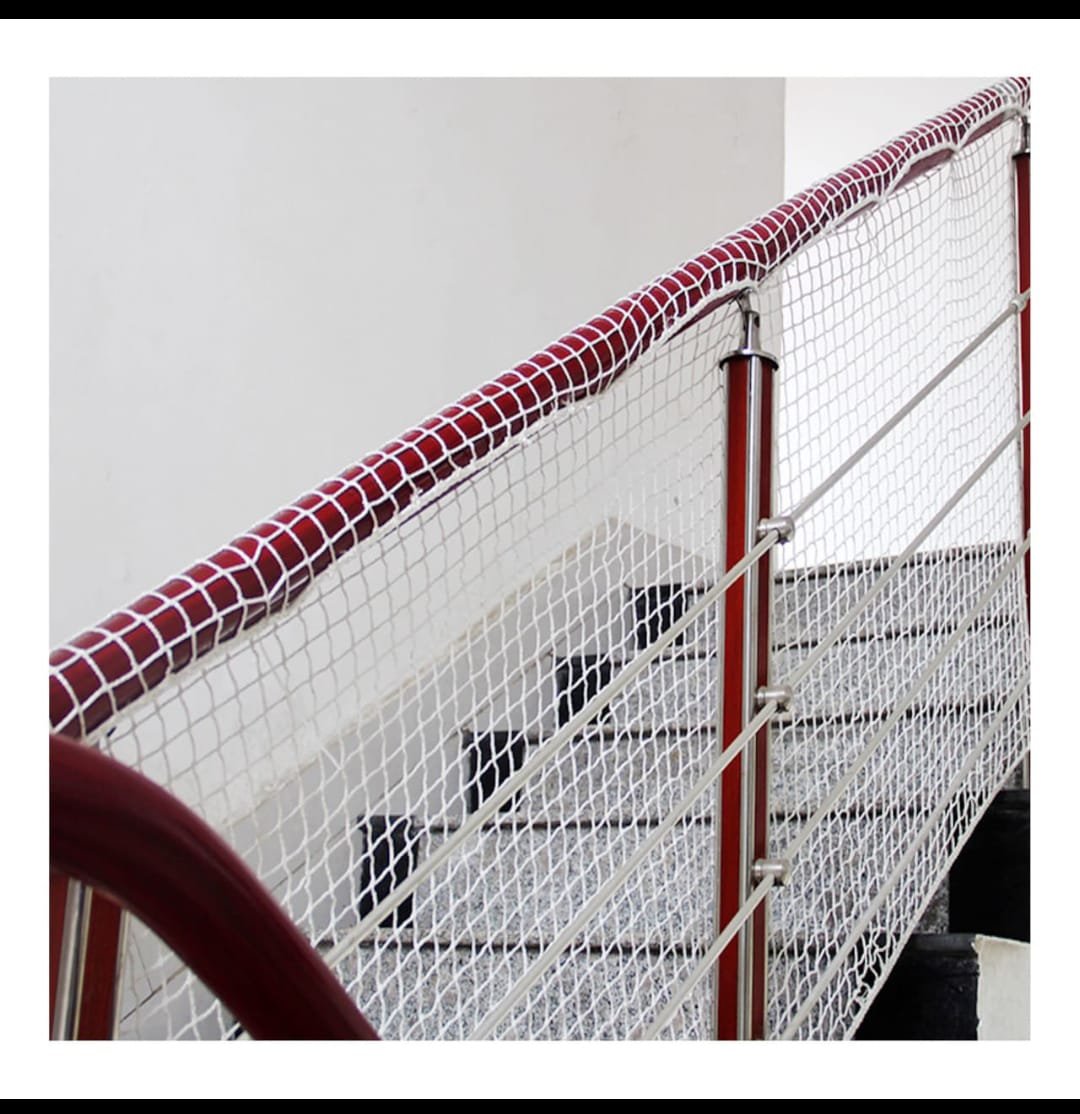
Pigeon Safety Nets
Specialized pigeon control netting for Chennai balconies, AC ledges, and window sills.
Learn more →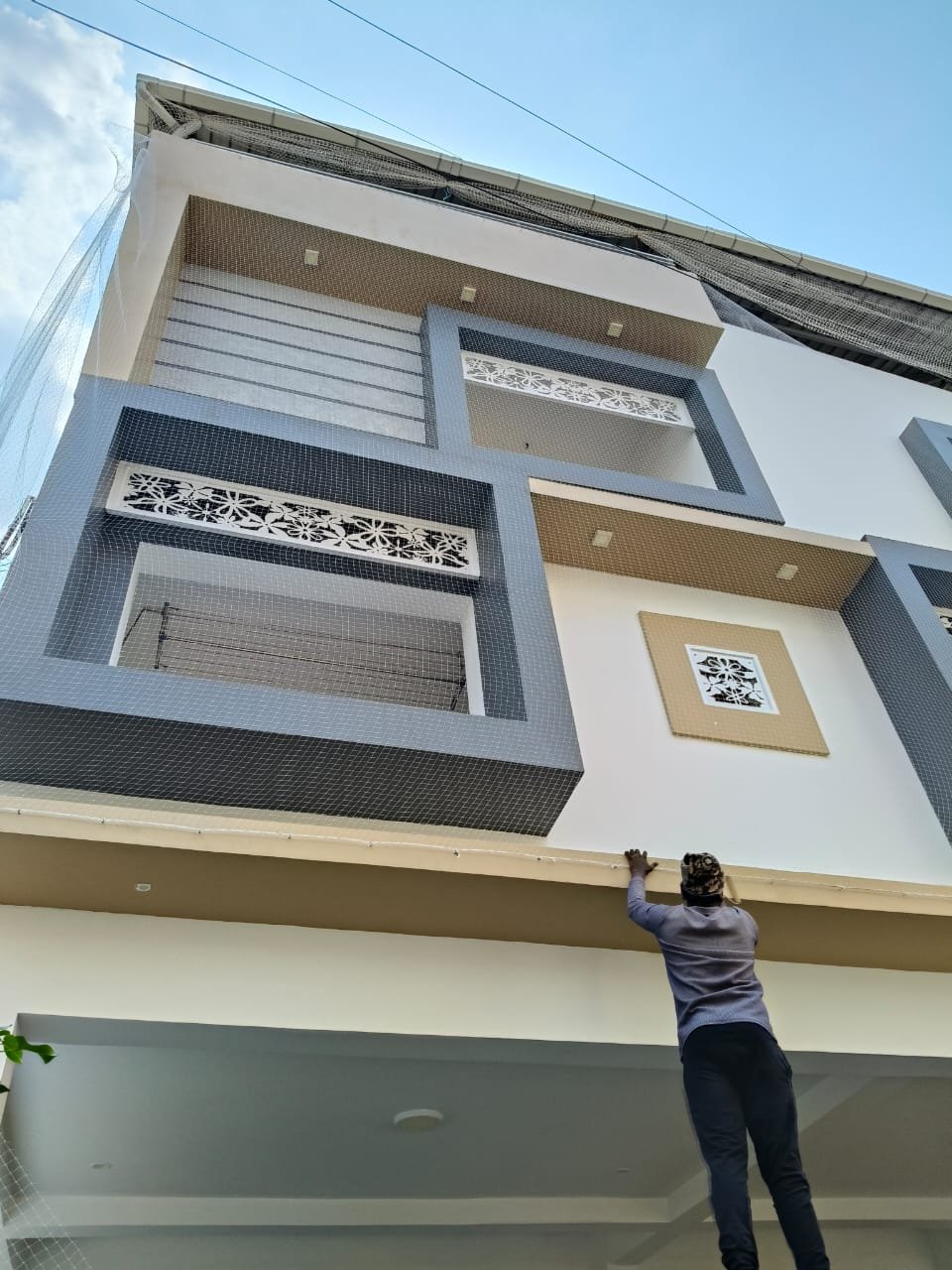
Duct Area Safety Nets
Multi-floor vertical duct and ventilation shaft netting preventing bird accumulation.
Learn more →